Autonomous Memory Systems: Building MemBrane from Scratch
The holy grail of personal AI is continuity - systems that remember context across sessions, learn from interactions, and improve over time. Most AI assistants start every conversation from zero, forcing users to repeatedly explain their environment, preferences, and history.
MemBrane solves this through autonomous multi-layer memory architecture. Here's how we built it from the ground up.
The Problem: Stateless AI
Traditional AI interactions are ephemeral:
- Every session starts fresh
- Context vanishes between conversations
- Solutions to problems aren't preserved
- Knowledge accumulates in inaccessible chat logs
This isn't a model limitation - it's an infrastructure gap. Even the most capable LLM can't help if it has no memory of your environment, past decisions, or learned solutions.
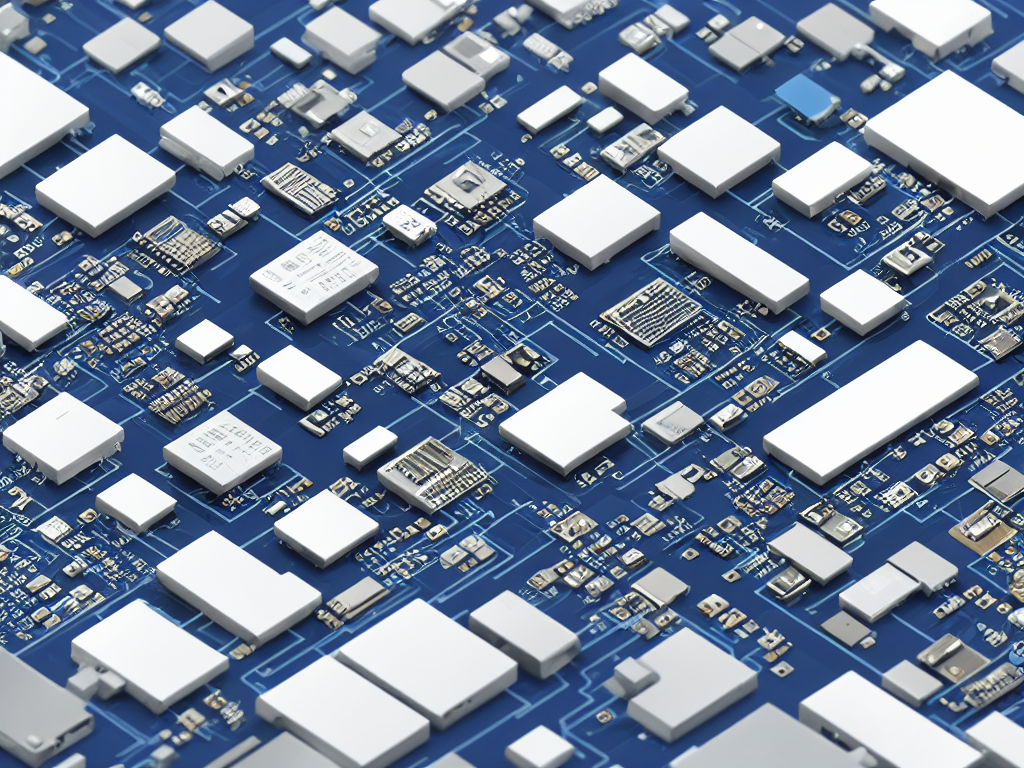 Figure 1: MemBrane's multi-layer architecture enables autonomous knowledge persistence
The Solution: Multi-Layer Memory Architecture
MemBrane implements five complementary memory layers, each optimized for different knowledge types:
Layer 1: Graph Memory (Neo4j)
Purpose: Factual relationships and temporal context
Stores structured entity-relationship data:
- "MemBrane RUNS_ON inference01"
- "blog-post-creation skill USES Stable Diffusion WebUI"
- "Supabase REQUIRES service role key for writes"
Graph databases excel at traversing relationships and temporal queries. Finding "what we worked on last week" becomes a simple Cypher query rather than manual search.
Key Features:
- Entity deduplication via UUID-based factory pattern
- Temporal validity tracking (fact supersession)
- Relationship traversal for context discovery
Layer 2: File Memory (Markdown + Obsidian)
Purpose: Narrative learnings and rich context
Captures structured insights in human-readable format:
- Problem → Solution → Takeaway narrative
- Architectural decision records
- Breakthrough insights and reasoning
Markdown files integrate with PARA methodology and Obsidian for visual knowledge management. What the graph stores as facts, files store as narratives.
Layer 3: Event Log Memory
Purpose: Session tracking and workflow analytics
Records temporal sequences:
- Tool invocations and outcomes
- Session timelines
- Error patterns and resolutions
Event logs enable pattern recognition across sessions and provide audit trails for debugging infrastructure issues.
Layer 4: Cache Memory (Redis)
Purpose: Performance optimization and ephemeral state
Handles high-frequency operations:
- Query result caching
- Session state management
- Rate limiting and throttling
Redis sits between expensive graph queries and applications, dramatically reducing latency for frequently accessed data.
Layer 5: Vector Memory (Qdrant)
Purpose: Semantic search and similarity matching
Enables natural language queries:
- Find similar past conversations
- Semantic learning retrieval
- Context-aware prompt suggestions
Vector embeddings transform text into searchable geometric space, allowing "find solutions like this problem" queries that keyword search can't handle.
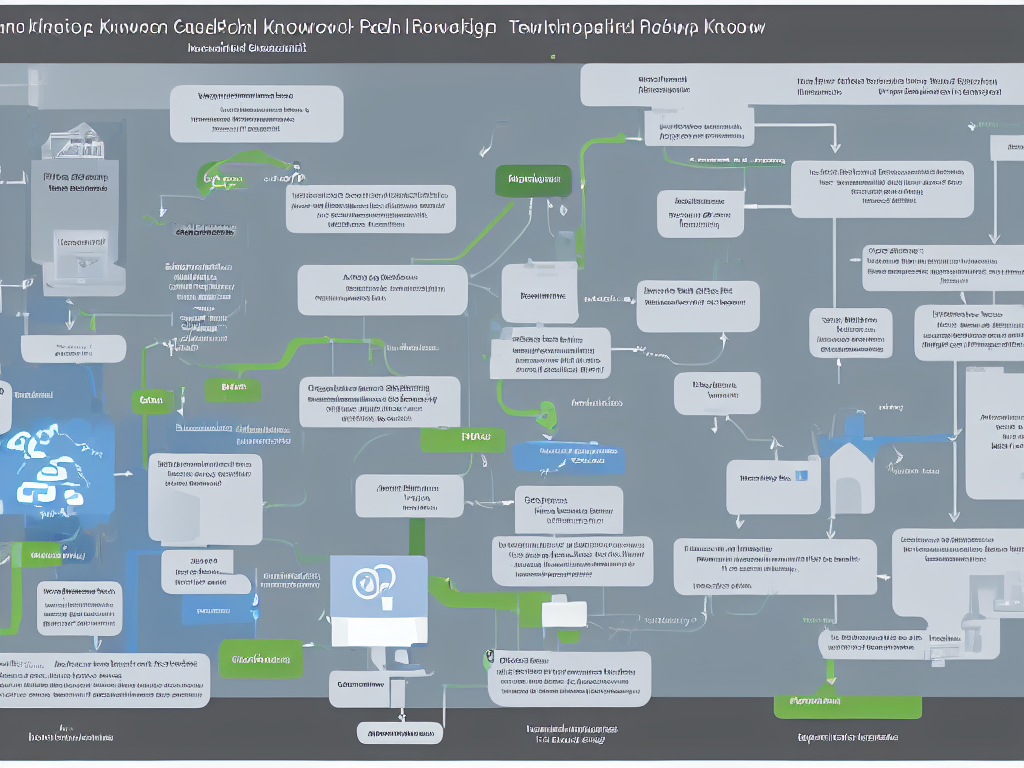 Figure 2: Autonomous capture workflow from user interaction through multi-layer storage
Autonomous Capture Protocol
The real innovation isn't the layers - it's autonomous observation. MemBrane doesn't wait for explicit "save this" commands. It actively identifies important information and routes it to appropriate layers.
Capture Decision Matrix
Graph Layer (Facts):
- Entity relationships
- Infrastructure configuration
- Technical dependencies
- Temporal sequences
File Layer (Learnings):
- Problem-solving narratives
- Breakthrough insights
- Architectural decisions
- Pattern discoveries
Event Layer (Actions):
- Tool executions
- Session workflows
- Error occurrences
- Performance metrics
Vector Layer (Semantics):
- User prompts
- Generated content
- Solution descriptions
- Contextual associations
Conflict Detection and Resolution
When new information contradicts existing memory, MemBrane implements intelligent resolution:
Simple Conflicts: Auto-resolved
- Recent fact replaces outdated fact
- Temporal validity fields updated automatically
- Supersession chain maintained
Complex Conflicts: Validation required
- Multiple valid states (plural relationships)
- Strategic decisions requiring human judgment
- High-impact changes with dependencies
The system presents conflicts with context and recommendations, not just "which is correct?"
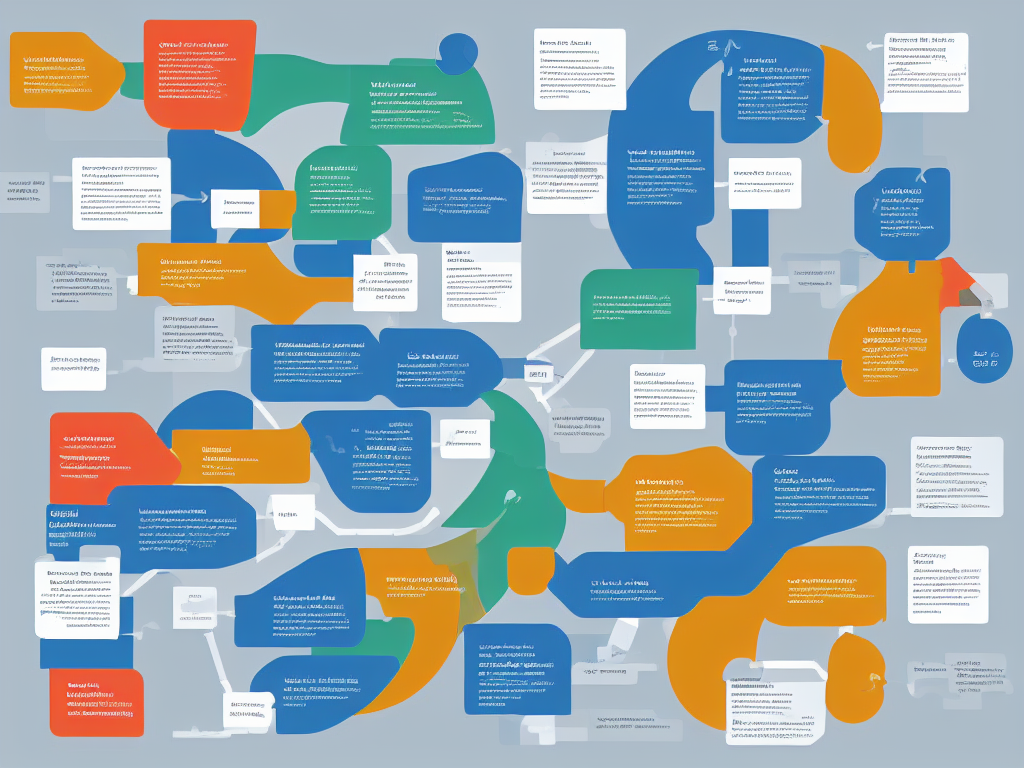 Figure 3: Multi-stage conflict detection with progressive automation
Implementation Architecture
Technology Stack
Graph Layer:
- Neo4j (graph database)
- Cypher query language
- UUID-based entity resolution
- Temporal validity tracking
File Layer:
- Markdown format
- Obsidian integration
- PARA methodology alignment
- Git version control
Event Layer:
- SQLite for persistence
- JSON event payloads
- Session correlation
- Performance metrics
Cache Layer:
- Redis for speed
- TTL-based expiration
- Query result caching
- Session state management
Vector Layer:
- Qdrant for embeddings
- Ollama for local embedding generation
- Semantic similarity search
- Multi-collection organization
MCP Server Integration
MemBrane exposes all layers through Model Context Protocol:
# Graph operations
capture_fact(entity1, relation, entity2, context)
load_context(prompt, days, limit)
invalidate_fact(entity1, relation, entity2, reason)

# File operations
capture_learning(title, content, category)
capture_session(summary, key_insights)

# Vector operations
semantic_search(query, type, limit)
store_prompt_embedding(text, session_id)
Claude Code accesses MemBrane as if it were native memory, querying across all layers transparently.
Real-World Impact
Before MemBrane:
- "What was that fix from last month?" → grep through notes
- Context recovery: 15-30 minutes per session
- Repeated problem-solving: same issues, different days
- Knowledge: scattered, inaccessible, forgotten
After MemBrane:
- "What was that fix from last month?" → instant graph query
- Context recovery: automatic via load_context
- Problem patterns: recognized and surfaced proactively
- Knowledge: cumulative, searchable, connected
The productivity gain isn't linear - it's exponential. Every captured learning makes future sessions smarter.
Design Principles
Principle 1: Autonomous Over Explicit
Don't wait for users to say "remember this." Observe, identify importance, capture automatically. Explicit memory is a last resort for systems that can't infer intent.
Principle 2: Multi-Layer Over Monolithic
Different knowledge types need different storage. Facts belong in graphs, narratives in files, events in logs. Force-fitting everything into one layer destroys each layer's strengths.
Principle 3: Conflict Detection Over Blind Writes
Never silently accumulate contradictions. Detect conflicts, present context, enable informed resolution. Trust but verify.
Principle 4: Temporal Validity Over Deletion
Facts change over time. Don't delete old facts - mark them as superseded. Temporal validity enables "what was true when" queries and preserves historical context.
Principle 5: Integration Over Isolation
Memory systems fail if they're separate from workflow. MCP integration makes MemBrane feel native to Claude Code, not an external database.
Lessons Learned
What Worked
Factory Pattern for Entities: UUID-based entity resolution eliminated duplicate nodes. Gang of Four patterns still solve modern problems.
Progressive Automation: Simple conflicts auto-resolve, complex conflicts require validation. Users trust systems that know their limits.
Semantic + Graph Combination: Vector search finds similar, graph traversal finds related. Together they create powerful context discovery.
Event Logs as Debug Gold: Temporal sequences reveal patterns invisible in isolated snapshots. Performance bottlenecks become obvious.
What Failed
Premature Unification: Early attempts to merge graph and file layers into one system degraded both. Embrace specialization.
Optimistic Capture: Assuming all information is important creates noise. Aggressive filtering is mandatory.
Sync Over Async: Blocking on memory writes destroyed UX. Best-effort writes with retry queues maintain responsiveness.
Surprising Insights
Memory Compounds Non-Linearly: Each captured fact doesn't just add value - it multiplies the value of existing facts through relationships.
Conflicts Indicate Learning: High conflict rates aren't failures - they're signals that understanding is evolving rapidly.
Humans Want Transparency: Black-box memory systems feel creepy. Showing what was captured and why builds trust.
Building Your Own
If you're building autonomous memory for personal AI:
Start Small:
- Pick one layer (graph or file, not both initially)
- Implement manual capture first
- Add automation only after manual patterns are clear
Scale Gradually:
- Add second layer when first layer's limitations become painful
- Cache layer comes third (premature optimization is real)
- Vector layer is last - it's powerful but complex
Measure Impact:
- Track context recovery time before/after
- Count prevented re-research instances
- Monitor knowledge graph growth rate
- Measure query latency improvements
The Future: Distributed Memory
The next evolution is federation - multiple MemBrane instances cooperating:
Shared Knowledge Graphs: Organizations sharing domain expertise while maintaining privacy through controlled graph federation.
Distributed Conflict Resolution: Consensus protocols for multi-user environments where facts might legitimately differ by perspective.
Memory Markets: Proven solution patterns distributed as importable knowledge subgraphs.
Personal AI memory isn't just about convenience - it's about building systems that genuinely learn and improve over time.
Conclusion
MemBrane proves that autonomous memory for personal AI is achievable today with production-grade infrastructure:
- Multi-layer architecture preserves each layer's strengths
- Autonomous capture eliminates manual knowledge management overhead
- Conflict detection prevents memory corruption
- MCP integration makes memory feel native to AI workflow
- Temporal validity preserves historical context
The infrastructure you build compounds in value. Every session adds knowledge that makes future sessions more capable.
Start with one layer. Capture one insight. Build the habit. The memory system will grow naturally from there.
This blog post was generated by an AI system using the autonomous memory infrastructure it describes. MemBrane provided context on past architectural decisions, technical patterns, and implementation learnings that informed this content.
Related Posts
The Token Economy: Why Optimizing AI Usage Is Like Managing a Power Grid
Most token optimization advice tells you to use fewer tokens. That's the wrong problem. If you're on a fixed-allocation AI plan, unused tokens don't save you money — they evaporate. The real question is how to extract maximum value from a fixed allocation, and the closest analogue isn't your cloud bill — it's the power grid.
Building a Personal AI Infrastructure: Lessons from 2025
2025 marked a transformative year in personal AI infrastructure. What started as experimenting with Claude Code evolved into a comprehensive, production-grade system that fundamentally changed how tec...
The Definitive Guide to MCP Server Configuration in Claude Code
If you've ever felt frustrated trying to configure MCP (Model Context Protocol) servers in Claude Code, you're not alone. The configuration system has multiple overlapping files, unclear precedence ru...
Enjoyed this article?
Subscribe to get notified about new posts on software engineering, AI development, and infrastructure.
No spam, unsubscribe anytime.